Establishing Healthy Boundaries Post-Breakup: A Guide to Emotional and Physical Well-being
The termination of a romantic relationship, regardless of its duration or intensity, often presents a significant challenge to an individual's emotional and psychological equilibrium. Navigating the complexities of a post-breakup period requires a deliberate and conscious effort to establish and maintain healthy boundaries. These boundaries serve as protective mechanisms, safeguarding one's emotional well-being and facilitating a smoother transition towards personal healing and growth. This comprehensive guide will explore the various facets of establishing and upholding healthy boundaries post-breakup, encompassing emotional, physical, and social interactions.
Understanding the Importance of Boundaries
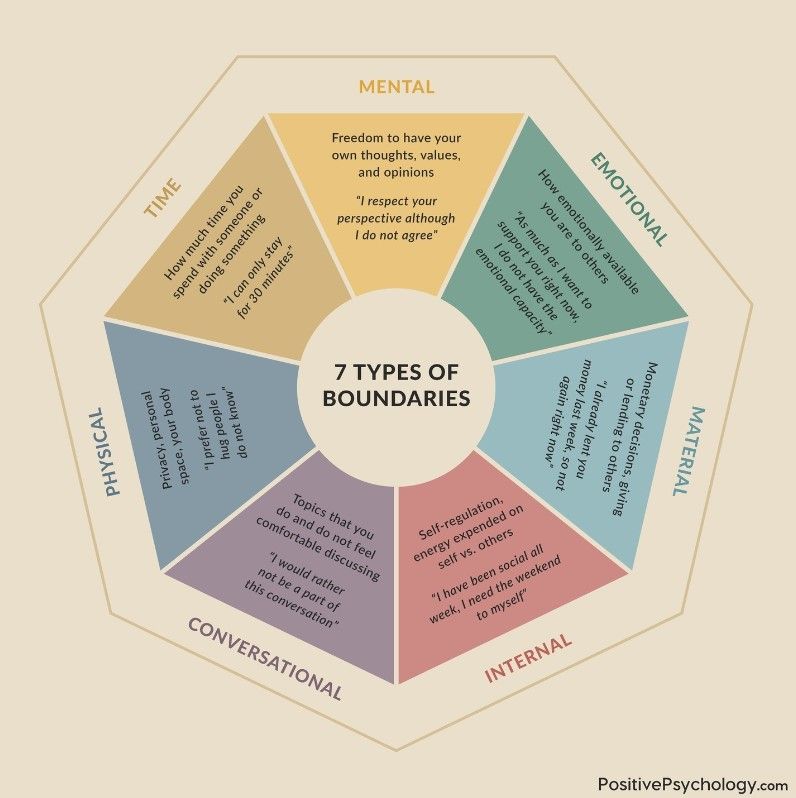
Boundaries, in the context of interpersonal relationships, represent the limits and expectations individuals set to protect their physical, emotional, and mental health. They are not intended to be rigid or unyielding, but rather flexible guidelines that delineate acceptable behavior and interaction. In the aftermath of a breakup, these boundaries become particularly crucial. The emotional turmoil, coupled with the potential for continued contact or lingering attachment, can make it difficult to prioritize self-care and personal well-being. Establishing clear boundaries helps to mitigate these risks and fosters a healthier approach to the healing process.
The absence of well-defined boundaries can lead to a myriad of negative consequences. These can include:
- Emotional distress: Continued contact or engagement in emotionally charged conversations can prolong the grieving process and hinder emotional recovery.
- Erosion of self-esteem: Allowing oneself to be manipulated or controlled by an ex-partner can significantly damage self-worth and confidence.
- Stunted personal growth: The inability to detach emotionally and move on can impede progress towards personal goals and aspirations.
- Physical health problems: Chronic stress resulting from unhealthy boundaries can negatively impact physical health, leading to issues such as sleep disturbances, digestive problems, and weakened immunity.
Establishing Emotional Boundaries
Emotional boundaries relate to the regulation of one's emotional responses and interactions with others. In the post-breakup phase, this is particularly critical, as emotions are often heightened and vulnerable. Establishing firm emotional boundaries means recognizing and respecting one's own emotional needs and limits.
Limiting Contact and Communication
One of the most effective strategies for establishing emotional boundaries is to minimize or completely eliminate contact with the ex-partner. This includes phone calls, text messages, emails, and social media interactions. While the initial impulse might be to seek closure or reassurance, prolonged contact often fuels emotional dependency and hinders the healing process. A gradual reduction in contact, leading to complete cessation, is generally recommended. If communication is absolutely necessary (e.g., regarding shared property or finances), it should be brief, factual, and devoid of emotional overtones.
Protecting Emotional Space
Protecting one's emotional space involves avoiding situations or conversations that might trigger negative emotions or lead to emotional distress. This includes staying away from places that hold significant memories of the relationship, refraining from listening to music that evokes painful memories, and consciously avoiding social situations where the ex-partner might be present. It is essential to prioritize activities and environments that foster positive emotions and promote relaxation.
Refusing to Engage in Negative Patterns
Breakups frequently involve cycles of conflict, blame, and emotional manipulation. It is crucial to resist the temptation to re-engage in these patterns. If the ex-partner attempts to re-establish contact or engage in negative behaviors, it is important to politely but firmly refuse to participate. This may require assertive communication skills, but it is essential for protecting one's emotional well-being.
Establishing Physical Boundaries
Physical boundaries define the limits of physical touch, intimacy, and proximity. Post-breakup, maintaining these boundaries is paramount for preventing relapse into unhealthy patterns and fostering a sense of personal safety and respect.
Avoiding Physical Proximity
Avoiding physical proximity to the ex-partner is crucial, especially during the initial stages of the separation. This might involve avoiding places frequented by the ex-partner, altering daily routines, and seeking support from friends and family to provide a sense of security and safety.
Refusing Unwanted Physical Contact
It is essential to firmly and unequivocally refuse any unwanted physical contact from the ex-partner. This might involve setting clear verbal boundaries or physically distancing oneself. If the ex-partner continues to disregard these boundaries, it's important to seek help from friends, family, or law enforcement.
Prioritizing Self-Care
Prioritizing self-care activities, such as exercise, healthy eating, and sufficient sleep, is vital for maintaining physical health and well-being. These activities can help to reduce stress levels, improve mood, and foster a sense of self-control and agency during this challenging period.
Establishing Social Boundaries
Social boundaries pertain to the management of social interactions and relationships within one's social circle. After a breakup, it is essential to establish clear boundaries regarding how one interacts with mutual friends, family members, and acquaintances.
Communicating with Mutual Friends
Mutual friends often find themselves in a difficult position after a breakup. It is important to communicate with them clearly, setting expectations for their behavior and expressing the need for space and understanding. It is acceptable to ask them to refrain from sharing information about the ex-partner and to avoid situations where the two might encounter each other.
Managing Social Media Interactions
Social media can be a significant source of emotional distress post-breakup. Unfollowing or blocking the ex-partner on social media platforms can reduce the temptation to monitor their activities and protect oneself from potentially hurtful content. It's also wise to limit the sharing of personal information online during this vulnerable period.
Seeking Support Networks
Building strong support networks is crucial during the post-breakup period. Spending time with supportive friends and family, engaging in activities that promote social connection, and seeking professional help when needed are vital components of establishing healthy social boundaries and fostering emotional resilience.
Seeking Professional Help
It's important to acknowledge that establishing and maintaining healthy boundaries post-breakup can be a challenging process. If one finds themselves struggling to cope with the emotional aftermath of the separation or experiencing difficulties in establishing and enforcing boundaries, seeking professional help is strongly encouraged. A therapist or counselor can provide guidance, support, and strategies for developing healthy coping mechanisms and building resilience.
In conclusion, establishing healthy boundaries post-breakup is a critical step towards emotional healing and personal growth. By understanding the importance of boundaries and implementing the strategies outlined above, individuals can navigate this challenging period with greater confidence and create a foundation for a healthier and happier future. Remember that self-care, self-respect, and prioritization of one's own well-being are paramount in this process.
0 comments:
Post a Comment